

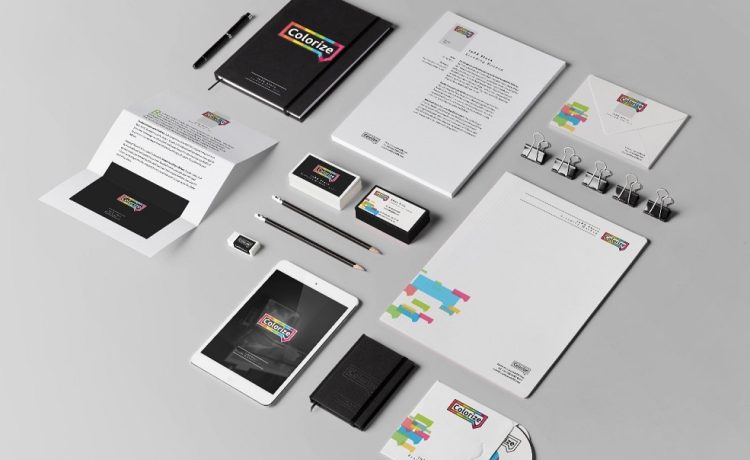
Branding consistency across digital platforms has become a defining factor in how organizations build recognition, trust, and long term customer relationships. Today’s audiences interact with brands through websites, mobile applications, social media channels, email campaigns, and digital advertising environments. Each interaction contributes to overall brand perception. When these experiences remain consistent, customers develop familiarity and confidence. When they differ significantly, trust weakens and engagement declines.
Maintaining consistent branding ensures that visual identity, messaging tone, and customer experience remain aligned regardless of where audiences encounter a company online. Organizations that prioritize consistency strengthen credibility, improve marketing effectiveness, and support stronger conversion outcomes across digital ecosystems.
Understanding the importance of branding consistency helps businesses create unified digital experiences that support long term growth.
What Branding Consistency Means in Digital Environments
Branding consistency refers to maintaining uniform visual elements, communication style, and customer experience across all digital touchpoints. It ensures that audiences recognize a brand immediately regardless of platform.
Core elements of branding consistency include:
- logo usage standards
- typography selection
- color palette alignment
- messaging tone and language style
- imagery style guidelines
- customer interaction expectations
Consistency creates a recognizable identity that strengthens audience familiarity over time.
Unified presentation supports stronger brand recall across channels.
Why Digital Platform Alignment Matters for Brand Recognition
Customers often interact with brands across multiple digital platforms before making decisions. Recognition depends on repeated exposure to consistent identity elements.
Brand alignment supports recognition by:
- reinforcing visual familiarity
- strengthening message clarity
- reducing confusion between channels
- improving recall during purchase decisions
- supporting long term loyalty development
Recognition increases when visual and verbal signals remain predictable.
Consistency strengthens brand memory formation.
Role of Visual Identity in Cross Platform Branding Consistency
Visual identity represents one of the most visible aspects of brand consistency. Colors, logos, and typography communicate brand personality before audiences read any content.
Key visual identity components include:
- logo placement guidelines
- consistent color application
- typography hierarchy standards
- photography style alignment
- graphic design structure patterns
Maintaining these elements across platforms improves cohesion between digital experiences.
Visual clarity supports stronger first impressions.
Messaging Tone Consistency Across Digital Channels
Brand voice influences how audiences interpret communication. Messaging tone consistency ensures that content reflects the same personality across all platforms.
Tone alignment supports:
- emotional connection development
- trust building through familiarity
- expectation consistency
- improved engagement quality
- stronger storytelling continuity
Consistent tone helps audiences understand what a brand represents.
Communication clarity strengthens relationships with customers.
Enhancing Customer Trust Through Consistent Branding
Trust develops when customers experience predictable interactions with a brand over time. Consistency signals professionalism and reliability.
Branding consistency supports trust by:
- reducing uncertainty about service quality
- reinforcing credibility across channels
- improving transparency in communication
- strengthening customer expectations
- supporting dependable experiences
Reliable presentation encourages confidence during decision making.
Trust remains essential for long term engagement.
Supporting Seamless Customer Journeys Across Platforms
Modern customer journeys rarely occur on a single platform. Individuals move between websites, social media channels, email campaigns, and mobile applications before completing actions.
Consistency improves journey flow by:
- aligning navigation expectations
- maintaining message continuity
- reinforcing product understanding
- supporting easier transition between channels
- strengthening purchase confidence
Smooth transitions improve user satisfaction.
Unified experiences support stronger conversion outcomes.
Role of Branding Consistency in Social Media Strategy
Social media platforms often represent the most frequent points of contact between brands and audiences. Maintaining consistent branding across these channels strengthens recognition.
Social media consistency includes:
- profile image alignment with brand identity
- consistent caption tone
- visual template usage across posts
- hashtag strategy alignment
- campaign messaging coordination
Coordinated presentation strengthens audience familiarity across networks.
Recognition increases with repeated visual exposure.
Website Branding as the Central Digital Identity Anchor
Websites often serve as the primary reference point for brand identity. Other digital channels typically direct audiences back to this environment for deeper engagement.
Website consistency supports:
- clear navigation expectations
- aligned visual hierarchy
- messaging clarity
- product presentation accuracy
- brand credibility reinforcement
Strong website branding strengthens overall digital ecosystem alignment.
Centralized identity improves cross channel coherence.
Importance of Mobile Experience Consistency
Mobile devices represent a major share of digital interactions. Ensuring branding consistency across mobile platforms supports accessibility and engagement continuity.
Mobile consistency involves:
- responsive visual layouts
- readable typography scaling
- aligned navigation structures
- consistent imagery usage
- synchronized messaging tone
Device adaptability ensures consistent experiences regardless of screen size.
Accessibility strengthens brand perception.
Email Marketing and Branding Alignment
Email communication remains an important component of digital marketing strategies. Branding consistency across email campaigns supports stronger engagement outcomes.
Email alignment includes:
- consistent header design elements
- recognizable sender identity
- uniform typography choices
- aligned visual templates
- message tone continuity
Predictable presentation improves open and response rates.
Consistency strengthens audience familiarity with communication formats.
Advertising Campaign Consistency Across Digital Platforms
Digital advertising introduces audiences to brands across multiple environments. Maintaining consistent branding ensures advertisements reinforce existing identity signals rather than creating confusion.
Advertising consistency supports:
- stronger campaign recall
- improved message clarity
- better audience targeting alignment
- increased conversion likelihood
- enhanced visual cohesion across channels
Unified campaigns strengthen brand presence across markets.
Coordination improves marketing efficiency.
Role of Brand Guidelines in Maintaining Consistency
Brand guidelines provide structured direction for maintaining identity alignment across teams and platforms. These documents support consistent implementation across marketing activities.
Brand guidelines typically include:
- logo usage specifications
- color palette references
- typography standards
- tone of voice recommendations
- imagery selection criteria
Structured guidance reduces inconsistencies across departments.
Documentation supports long term identity stability.
Internal Collaboration Supporting Branding Consistency
Brand consistency depends on coordination between marketing teams, designers, content creators, and leadership groups. Collaboration ensures alignment across communication strategies.
Internal collaboration improves:
- message accuracy
- campaign coordination
- platform integration efficiency
- response time consistency
- customer experience continuity
Team alignment strengthens brand reliability.
Collaboration supports unified execution.
Measuring the Impact of Branding Consistency on Performance
Organizations evaluate branding consistency effectiveness through performance indicators that reflect audience engagement and recognition levels.
Common evaluation methods include:
- customer recall surveys
- engagement rate tracking
- conversion performance monitoring
- social media interaction analysis
- website behavior analytics
Measurement supports continuous improvement.
Data driven insights strengthen branding strategies.
Risks of Inconsistent Branding Across Digital Platforms
Inconsistent branding can weaken customer confidence and reduce marketing effectiveness. Misaligned identity signals create confusion and reduce recognition strength.
Common risks include:
- reduced trust levels
- lower engagement rates
- weaker campaign performance
- unclear brand positioning
- fragmented customer journeys
Consistency protects brand value across competitive environments.
Clarity strengthens long term relationships.
Future Trends Influencing Branding Consistency Strategies
Digital environments continue evolving rapidly as new platforms emerge and customer expectations shift. Maintaining consistency across expanding channels requires adaptable strategies.
Future branding trends may include:
- increased personalization within consistent identity frameworks
- expanded use of interactive media formats
- integration with voice interface branding systems
- stronger alignment with immersive digital environments
- improved automation tools supporting identity consistency monitoring
Adaptability ensures continued alignment across evolving platforms.
Consistency remains central to long term brand success.
Conclusion
Branding consistency across digital platforms plays a critical role in strengthening recognition, trust, and engagement across modern marketing environments. As customers interact with organizations through multiple digital channels, unified visual identity, messaging tone, and customer experience expectations help create seamless journeys that support confident decision making.
Organizations that maintain consistent branding across websites, social media channels, email campaigns, and advertising platforms build stronger relationships with audiences and improve long term marketing performance. Consistency transforms individual interactions into cohesive experiences that reinforce brand credibility over time.
Maintaining alignment across digital platforms remains one of the most effective strategies for sustaining competitive advantage in modern communication ecosystems.
Frequently Asked Questions
1. How does branding consistency influence customer loyalty
Consistent experiences help customers feel confident about what to expect from a brand, which strengthens long term relationships and repeat engagement.
2. Can small businesses benefit from maintaining branding consistency across platforms
Yes, consistent branding helps smaller organizations appear more professional and recognizable even with limited marketing resources.
3. What role does typography play in branding consistency
Typography contributes to visual identity recognition and supports message clarity across digital communication environments.
4. How often should organizations review their branding guidelines
Periodic reviews help ensure branding remains aligned with evolving business goals and platform requirements.
5. Does branding consistency limit creativity in marketing campaigns
Consistency provides structure while still allowing flexibility within defined identity frameworks.
6. How does branding consistency support search visibility outcomes
Consistent messaging and visual identity improve recognition signals that strengthen audience engagement across search environments.
7. Should branding consistency apply equally across international markets
Core identity elements should remain consistent while allowing appropriate cultural adaptation to support regional audience expectations.