

Key Takeaways
Flexible Deductible PPO Plans empower clients to customize their healthcare deductibles, allowing them to fine-tune coverage based on individual health needs and preferences.
Clients have the option to modify their deductibles each year, which promotes a proactive healthcare approach that can adapt to their shifting health circumstances.
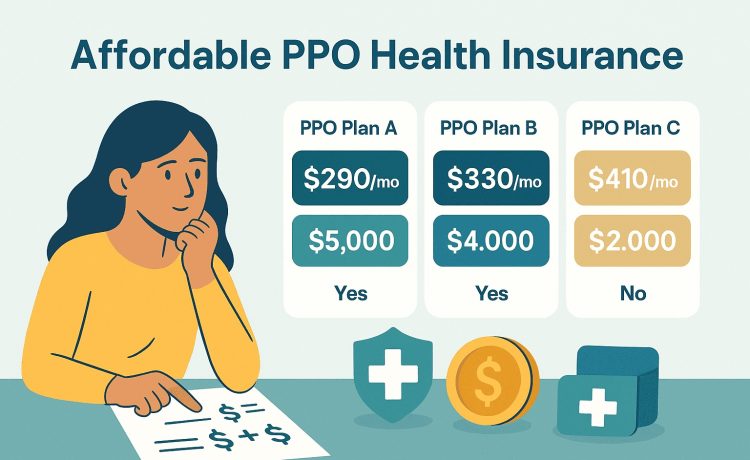
Striking the right balance between premiums and deductibles is vital; opting for lower deductibles often results in higher premiums, yet it provides additional financial security for those anticipating medical needs.
To calculate potential savings from Flexible Deductible PPO Plans, clients should evaluate their annual healthcare expenditures against selected deductibles to optimize their financial results.
Success stories from real clients illustrate that selecting the right plans can lead to financial savings and improved health by aligning with their unique medical requirements and lifestyles.
When choosing a Flexible Deductible PPO Plan, critical considerations include personal health requirements, financial objectives, and the presence of preferred providers in the plan’s network.
Assessing various providers necessitates extensive research into customer satisfaction, plan options, and additional services, enabling informed decision-making for optimal healthcare coverage.
How Flexible Deductible PPO Plans Enhance Customization of Care
Tailoring Coverage: What Makes It Different?
Flexible Deductible PPO Plans signify a major shift in healthcare, granting clients unparalleled authority over their healthcare expenses. Unlike conventional plans, these approaches let individuals personalize their deductibles, aligning coverage with their specific health needs. In essence, this flexibility allows clients to determine how much they are willing to pay out-of-pocket before insurance coverage commences, encouraging them to critically evaluate their healthcare choices.
The notable distinction lies in how patients interact with their healthcare providers. With this flexibility, a person who seldom visits the doctor may not require a high deductible, whereas someone managing chronic issues could gain from a lower deductible. Clients also have the freedom to adjust deductibles annually, keeping pace with their evolving health needs. This customization of care fosters a sense of ownership—remarkably transformative in a field typically marked by inflexible frameworks.
Maximizing Benefits: Aligning Deductibles with Personal Health Needs
In Flexible Deductible PPO Plans, it’s essential for clients to align their deductibles with their unique health requirements. Many wonder how to design a plan that maximizes benefits without exceeding their budget. It starts with understanding one’s health profile. For example, someone anticipating a major procedure might prefer a lower deductible for greater financial relief, while a generally healthy person could opt for a higher deductible to take advantage of lower premiums.
Research shows that consumers well-versed in their healthcare decisions often achieve better health results. By selecting deductibles that reflect anticipated needs, clients navigate their healthcare systems with greater efficiency. The approach is relatively simple—adjusting deductibles paves the way for a more tailored experience, offering both peace of mind and potential savings. Think of it as creating a healthcare plan that adapts to one’s evolving needs instead of being locked into a rigid structure.
Understanding the Cost Structure of Flexible Deductible PPO Plans
Breaking Down Costs: Working through Premiums and Deductibles
Initially, the cost structure of Flexible Deductible PPO Plans can seem overwhelming, but understanding it simplifies the navigation process. These plans primarily consist of two key components: premiums and deductibles. Premiums are the monthly fees paid to maintain coverage, while deductibles represent the out-of-pocket amount one must pay before insurance benefits kick in. Grasping how these elements work together is essential for making knowledgeable choices.
In contrast to traditional plans, where high premiums often align with low deductibles, these flexible plans permit clients to balance their premium expenses with deductible amounts. Typically, a lower deductible leads to higher monthly premiums, but it provides better protection in the face of significant health demands. Conversely, clients seeking lower premiums may choose a higher deductible, which suits those expecting limited healthcare use. Experts point out that this flexibility fosters improved spending habits and financial strategy.
How to Calculate Your Potential Savings
Calculating potential savings from Flexible Deductible PPO Plans may involve some math, yet the effort pays off. Clients should begin by evaluating their yearly healthcare expenses, including doctor visits, prescription costs, hospital stays, and any planned medical procedures. This data forms the groundwork for informed decisions. The formula for potential savings can be outlined in simple steps:
- Estimate total medical expenses for the year.
- Include both premiums and prospective deductible payments.
- Deduct any out-of-pocket maximum limits set by the insurance.
- Adjust deductible choices based on these calculations to maximize savings.
Some may find that opting for a higher deductible not only lowers premiums but also results in overall savings. This strategy is appealing for those who prioritize flexibility and prefer to minimize costs on coverage they rarely use. Moreover, understanding the potential for savings equips clients to plan effectively and engage with their healthcare options wisely.
Real-Life Applications of Flexible Deductible PPO Plans
Success Stories: Clients Who Thrived with Custom Coverage
The practical impacts of Flexible Deductible PPO Plans come to life through several client success stories. Take, for example, a family of four. After evaluating their health needs, they chose a plan with lower premiums and a higher deductible. Their active lifestyle led to minimal medical expenses, and by year-end, they discovered significant savings—thousands of dollars—while maintaining comprehensive coverage for unforeseen emergencies.
In another instance, an individual managing a chronic condition faced challenges with a high-deductible plan that failed to accommodate their ongoing healthcare needs. By transitioning to a Flexible Deductible PPO Plan featuring a lower deductible, they accessed vital treatments without the constant anxiety over financial burdens. This individual not only experienced financial relief but also improved health outcomes, underscoring how clients can save money while enhancing their overall well-being.
Use Cases: When Flexible Deductibles Make Sense
What scenarios highlight the strengths of Flexible Deductible PPO Plans? Various situations illustrate their usefulness. For families expecting substantial medical expenses in the upcoming year, selecting a plan with a lower deductible can lessen out-of-pocket expenses when seeking care. Conversely, young professionals who seldom require healthcare may find it financially wise to go for a higher deductible paired with reduced premiums, freeing up funds for other investments.
- Clients managing chronic conditions that demand ongoing treatment.
- Younger individuals with limited healthcare needs.
- Families preparing for increased healthcare demands, such as during pregnancy.
The right plan serves both client needs and smart financial planning. This flexibility proves beneficial not merely in theory but through real-world applications and results.
Best Practices for Selecting a Flexible Deductible PPO Plan
Key Factors to Consider: Finding the Right Fit
Selecting a Flexible Deductible PPO Plan necessitates careful evaluation of several critical factors. First, assess personal health needs. Clients should determine how often they seek medical care and which services they typically utilize. Next, analyze financial goals and budget, factoring in both premiums and out-of-pocket expenses. It’s also vital to understand how much disposable income could be allocated for healthcare. Additionally, clients must investigate network coverage, ensuring that their preferred providers are part of the plan’s network.
A quick checklist for the selection process can help:
- Evaluate personal healthcare needs and frequency of use.
- Compare premiums against potential out-of-pocket expenses.
- Research in-network providers.
- Check for any restrictions on services or specific treatments.
Tips for Evaluating Different Providers and Plans
After understanding their own needs, the next step for clients involves comparing various providers. Not every Flexible Deductible PPO Plan is created equal. Start by examining customer feedback and satisfaction ratings—this information often provides valuable insight. Focus on the specific offerings of each plan, especially those that are crucial for personal well-being. Investigate any potential additional perks, such as telehealth services or wellness initiatives. Clients should weigh the costs against the services covered, leading to sound choices backed by thorough analysis.
In conclusion, equipped with the right inquiries and research, individuals can discover a plan that not only meets but surpasses expectations. Pursuing customized healthcare represents a commitment to well-being, safety, and financial savvy.
FAQ
What are the advantages of adjusting deductibles annually?
Adjusting deductibles every year enables clients to synchronize their coverage with their changing health needs. As situations evolve, so too can financial strategies, resulting in a more responsive and pertinent healthcare plan.
How do Flexible Deductible PPO Plans compare to Health Savings Accounts (HSAs)?
Both options provide financial flexibility, yet Flexible Deductible PPO Plans focus on personalizing deductibles and premiums, whereas HSAs are tax-advantaged accounts specifically for medical spending. Using these two options together can enhance both savings and coverage.
Can clients switch from a traditional insurance plan to a Flexible Deductible PPO Plan?
Yes, clients commonly have the ability to transition from traditional plans to Flexible Deductible PPO Plans during open enrollment periods, allowing for a reassessment of coverage that better fits their current health and financial status.
What should clients consider when evaluating in-network providers?
It’s essential to understand provider expertise and accessibility. Clients need to examine provider ratings, specialties, and their own experiences with those professionals to ensure they receive high-quality care while utilizing their plan.
How can clients determine the ideal deductible for their situation?
Clients should evaluate their anticipated healthcare use, including doctor appointments and planned procedures. A thorough review of personal health profiles will lead to better decisions that enhance both financial and health results.
Are there any penalties for not using a Flexible Deductible PPO Plan effectively?
While penalties aren’t typical, improper use of these plans can lead to increased out-of-pocket expenses. Clients who fail to align deductibles with healthcare needs may find themselves financially stressed during unexpected medical events.
What role do preventative services play in these plans?
In many Flexible Deductible PPO Plans, preventative services are often covered without any deductible. This proactive approach prioritizes health upkeep, encouraging clients to seek help before major health issues develop.
How can clients maximize the savings potential of their Flexible Deductible PPO Plan?
To maximize savings, clients should regularly assess medical costs, adjust deductible levels in line with projected needs, and remain informed about plan benefits and provider networks. Taking an active role in healthcare choices generally leads to improved financial results.
Useful Resources
- Centers for Disease Control and Prevention (CDC)
- Kaiser Family Foundation (KFF)
- gov
- America’s Health Insurance Plans (AHIP)
- National Center for Biotechnology Information (NCBI)
- Centers for Medicare & Medicaid Services (CMS)
- National Heart, Lung, and Blood Institute (NHLBI)
- American Medical Association (AMA)
- National Association of Insurance Commissioners (NAIC)