

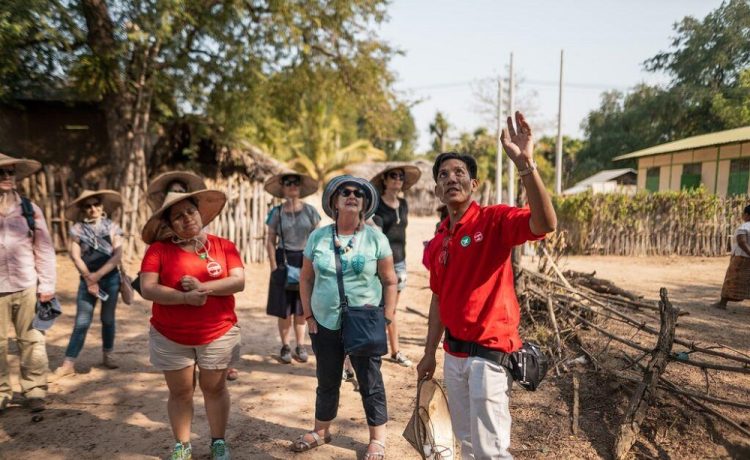
Sustainable tourism planning depends heavily on the active participation of local communities. While tourism can create economic opportunity, infrastructure improvements, and cultural exchange, it can also place pressure on natural environments and local traditions if development occurs without community involvement. Engaging residents in tourism planning helps ensure that growth supports long term environmental protection, cultural preservation, and shared economic benefits.
Local community engagement strengthens tourism strategies by aligning development goals with the needs of people who live in destination areas year round. When communities participate in planning decisions, tourism becomes more balanced, resilient, and respectful of local identity. As global travel continues expanding, community centered approaches are increasingly recognized as essential foundations for sustainable tourism systems.
Understanding how community engagement supports sustainable tourism planning helps destinations create meaningful experiences that benefit both visitors and residents.
Understanding Sustainable Tourism Planning
Sustainable tourism planning focuses on managing tourism activities in ways that protect natural resources, respect cultural heritage, and support local economies over time. Rather than emphasizing short term visitor growth alone, sustainable strategies balance environmental responsibility with community well being.
Core goals of sustainable tourism planning include:
- preserving natural ecosystems
- supporting cultural heritage protection
- strengthening local economic participation
- reducing environmental impact
- improving long term destination resilience
Community involvement helps ensure these goals reflect local priorities.
Sustainability depends on shared responsibility between stakeholders.
Why Local Community Engagement Matters in Tourism Development
Residents experience the long term effects of tourism development more directly than visitors. Their participation ensures that planning decisions reflect real community needs rather than external assumptions.
Community engagement improves tourism outcomes by:
- strengthening local support for tourism initiatives
- identifying environmental concerns early
- protecting cultural traditions
- improving infrastructure planning accuracy
- increasing transparency in decision making
Participation builds trust between planners and residents.
Trust supports long term tourism success.
Role of Community Knowledge in Destination Planning
Local residents possess detailed knowledge about environmental conditions, cultural traditions, and seasonal activity patterns. This knowledge helps planners design tourism strategies that align with local realities.
Community knowledge contributes to:
- identifying sensitive ecological areas
- protecting culturally significant sites
- improving visitor flow management
- supporting seasonal tourism scheduling
- strengthening safety planning strategies
Local insight improves planning accuracy significantly.
Knowledge sharing strengthens destination resilience.
Supporting Cultural Heritage Preservation Through Community Participation
Cultural heritage represents one of the most valuable aspects of tourism experiences. Community involvement helps ensure that traditions remain respected and represented accurately.
Community participation supports heritage preservation through:
- maintaining traditional crafts
- protecting historic landmarks
- supporting language preservation
- guiding authentic storytelling experiences
- strengthening intergenerational knowledge transfer
Respectful tourism protects cultural identity.
Authenticity strengthens visitor experiences.
Economic Benefits of Community Centered Tourism Planning
Tourism can provide meaningful economic opportunities when communities participate actively in planning and implementation processes. Local involvement helps ensure benefits are distributed more equitably.
Community centered tourism supports:
- local employment opportunities
- small business development
- artisan market growth
- regional agricultural participation
- locally owned accommodation services
Inclusive planning strengthens economic resilience.
Local participation supports sustainable livelihoods.
Strengthening Environmental Protection Through Resident Involvement
Residents often have strong connections to local ecosystems. Their involvement helps ensure tourism activities support environmental stewardship rather than resource depletion.
Environmental protection benefits include:
- improved wildlife conservation awareness
- stronger waste management coordination
- responsible trail development planning
- protection of water resources
- support for habitat preservation initiatives
Community participation strengthens conservation outcomes.
Local stewardship supports ecological sustainability.
Role of Education in Community Based Tourism Planning
Education programs help communities understand tourism opportunities and responsibilities associated with sustainable destination development.
Educational initiatives may include:
- tourism management training workshops
- environmental awareness programs
- hospitality skills development courses
- heritage interpretation guidance
- visitor communication training
Education strengthens community confidence in tourism participation.
Training supports long term program success.
Supporting Youth Participation in Sustainable Tourism Strategies
Youth engagement plays an important role in maintaining long term tourism sustainability. Younger community members contribute creativity, innovation, and continuity in planning processes.
Youth participation supports:
- digital tourism promotion initiatives
- cultural preservation programs
- environmental monitoring activities
- entrepreneurship development opportunities
- technology supported visitor services
Youth involvement strengthens future leadership capacity.
Engagement supports generational continuity in tourism planning.
Encouraging Collaborative Decision Making Between Stakeholders
Sustainable tourism planning requires cooperation between government agencies, tourism businesses, conservation organizations, and local communities. Collaborative frameworks strengthen communication across these groups.
Collaboration benefits include:
- improved planning transparency
- stronger infrastructure coordination
- balanced visitor management strategies
- shared responsibility for conservation goals
- enhanced conflict resolution processes
Cooperation strengthens destination planning outcomes.
Shared decision making supports inclusive development.
Supporting Responsible Visitor Behavior Through Community Engagement
Community participation helps shape visitor education strategies that encourage respectful travel behavior. Residents often play key roles in guiding visitors toward appropriate cultural and environmental practices.
Responsible visitor behavior initiatives include:
- cultural awareness orientation programs
- environmental protection messaging
- guided interpretation services
- community hosted visitor experiences
- signage supporting responsible travel expectations
Education improves visitor understanding of local values.
Respect strengthens tourism sustainability.
Role of Local Leadership in Sustainable Tourism Implementation
Community leaders play important roles in coordinating tourism planning activities and representing resident perspectives during decision making processes.
Leadership responsibilities include:
- facilitating stakeholder discussions
- supporting community consultation meetings
- promoting inclusive participation opportunities
- coordinating development priorities
- strengthening communication between agencies and residents
Leadership strengthens coordination across planning stages.
Representation supports community confidence.
Monitoring Tourism Impacts Through Community Feedback Systems
Continuous evaluation helps ensure tourism development remains aligned with sustainability goals. Community feedback systems provide valuable insight into how tourism activities affect local life.
Monitoring approaches include:
- resident satisfaction surveys
- environmental impact reporting
- infrastructure usage tracking
- cultural preservation assessments
- visitor behavior observation programs
Feedback supports adaptive planning strategies.
Monitoring improves long term sustainability outcomes.
Supporting Local Entrepreneurship in Tourism Economies
Entrepreneurship opportunities allow residents to participate directly in tourism value chains. Local businesses contribute authenticity while strengthening economic independence.
Entrepreneurship opportunities include:
- guided cultural experiences
- locally produced handicrafts
- traditional food services
- eco tourism activities
- transportation support services
Local ownership strengthens destination identity.
Entrepreneurship supports community empowerment.
Addressing Challenges in Community Based Tourism Planning
Community engagement requires careful coordination to ensure participation remains meaningful and inclusive across diverse groups.
Common challenges include:
- balancing tourism growth with conservation priorities
- ensuring equitable participation opportunities
- managing infrastructure development pressures
- maintaining cultural authenticity
- coordinating stakeholder communication effectively
Addressing challenges strengthens planning effectiveness.
Preparation supports long term sustainability goals.
Future Directions in Community Centered Sustainable Tourism
Tourism planning continues evolving as destinations adopt more inclusive strategies that prioritize environmental responsibility and community well being.
Future developments may include:
- expanded digital participation platforms
- stronger regional collaboration networks
- enhanced heritage preservation partnerships
- increased youth leadership initiatives
- improved visitor education programs
Innovation supports continued progress in sustainable tourism planning.
Community engagement remains central to destination resilience.
Conclusion
Local community engagement plays a vital role in sustainable tourism planning by ensuring that development supports environmental protection, cultural preservation, and equitable economic opportunity. Residents contribute valuable knowledge, leadership, and stewardship that strengthen destination planning strategies across all stages of tourism development.
As travel continues expanding globally, destinations that prioritize inclusive planning processes will be better positioned to balance visitor growth with long term sustainability goals. Community centered tourism approaches create meaningful benefits for both residents and visitors while protecting the natural and cultural resources that make destinations unique.
Engaged communities remain essential partners in building responsible tourism systems for the future.
Frequently Asked Questions
1. How does community engagement influence tourism policy decisions
Community participation helps policymakers understand local priorities and incorporate resident perspectives into planning frameworks.
2. Can community based tourism support environmental conservation funding
Yes, tourism activities can generate revenue that supports conservation initiatives managed by local organizations.
3. How do communities benefit socially from tourism involvement
Participation strengthens cultural pride, community collaboration, and shared responsibility for preserving heritage resources.
4. What role do local schools play in sustainable tourism development
Schools often support environmental education and cultural preservation programs that prepare future tourism leaders.
5. How can small communities participate effectively in tourism planning
Structured consultation meetings and training programs help smaller communities contribute meaningfully to decision making processes.
6. Does community engagement improve visitor satisfaction
Visitors often value authentic experiences shaped by local knowledge and cultural interaction opportunities.
7. How can tourism planners encourage inclusive participation across community groups
Transparent communication strategies and accessible meeting formats help ensure diverse representation during planning discussions.


