

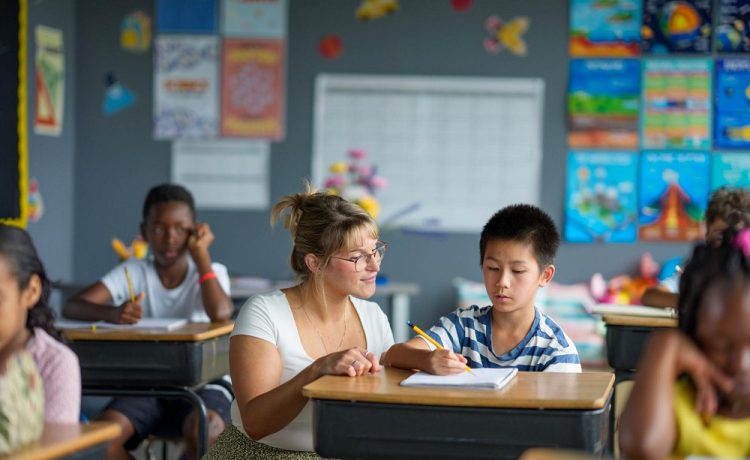
Classrooms today reflect a wide range of learning styles, cultural backgrounds, language abilities, and academic needs. As student populations become more diverse, educators and institutions increasingly recognize the importance of inclusive learning environments that support participation, engagement, and success for every learner. Inclusive classrooms are not limited to supporting students with specific challenges. They are designed to ensure that all students can access instruction, contribute meaningfully, and develop confidence in their learning abilities.
Inclusive learning environments strengthen educational outcomes by creating spaces where differences are respected and learning barriers are reduced. When students feel supported and understood, they are more likely to participate actively and persist through academic challenges. Schools and universities that prioritize inclusion also build stronger communities that reflect collaboration and shared responsibility.
Understanding how inclusive environments support diverse classrooms helps educators design teaching strategies that respond to modern educational needs.
Understanding Inclusive Learning Environments
An inclusive learning environment is one in which all students have equal opportunities to participate and succeed regardless of background, ability level, language proficiency, or learning preference. Inclusion focuses on removing barriers that limit access to instruction and engagement.
Inclusive environments typically emphasize:
- equitable access to learning resources
- flexible instructional strategies
- respect for cultural differences
- support for varied learning needs
- collaborative classroom participation
These elements help ensure that students feel valued as members of the learning community.
Inclusion supports both academic achievement and social development.
Why Diversity Strengthens Classroom Learning Experiences
Diverse classrooms bring together students with different perspectives, experiences, and problem solving approaches. This diversity enhances learning by encouraging discussion, creativity, and collaboration.
Benefits of diverse classrooms include:
- exposure to multiple viewpoints
- stronger communication skills
- improved critical thinking development
- increased cultural awareness
- expanded collaboration opportunities
Students learn not only from instructors but also from one another.
Diversity enriches educational environments.
Role of Teachers in Creating Inclusive Classrooms
Teachers play a central role in shaping inclusive learning environments. Instructional choices influence whether students feel comfortable participating and expressing ideas.
Effective teaching strategies for inclusion include:
- using varied instructional methods
- encouraging respectful discussion
- recognizing individual strengths
- providing clear expectations
- supporting collaborative learning opportunities
Intentional teaching practices create supportive classroom climates.
Educator awareness strengthens inclusion outcomes.
Universal Design for Learning Supporting Accessibility
Universal Design for Learning provides a framework that helps educators design lessons accessible to a wide range of learners. Instead of adapting instruction after challenges appear, this approach builds flexibility into lesson planning from the beginning.
Universal Design for Learning emphasizes:
- multiple ways to present information
- varied options for student participation
- flexible assessment methods
- accessible instructional materials
- student choice in demonstrating understanding
Flexible lesson design improves engagement across ability levels.
Accessibility benefits all learners.
Supporting Students With Different Learning Styles
Students process information in different ways. Inclusive classrooms recognize these differences and provide opportunities for multiple learning approaches.
Common learning style supports include:
- visual learning materials
- discussion based instruction
- hands on activities
- written reflection opportunities
- digital learning tools
Variety strengthens comprehension across diverse student groups.
Instructional flexibility improves participation levels.
Importance of Cultural Responsiveness in Teaching Practices
Cultural responsiveness helps educators recognize how student backgrounds influence learning experiences. Inclusive classrooms respect cultural identities and incorporate diverse perspectives into instruction.
Culturally responsive teaching includes:
- integrating diverse examples into lessons
- encouraging student voice representation
- recognizing different communication styles
- respecting cultural traditions
- promoting inclusive classroom dialogue
Cultural awareness strengthens classroom relationships.
Respect supports stronger engagement.
Supporting Multilingual Learners in Diverse Classrooms
Many classrooms include students who are learning in a second language. Inclusive teaching strategies help these students access content while developing language skills.
Support strategies for multilingual learners include:
- visual instruction aids
- vocabulary support resources
- structured discussion opportunities
- simplified instructional directions
- peer collaboration activities
Language support improves participation confidence.
Inclusive communication strengthens academic success.
Role of Assistive Technology in Inclusive Education
Assistive technology helps remove learning barriers for students who benefit from additional support tools. These technologies improve accessibility and independence.
Examples of assistive technology include:
- speech to text software
- screen reading tools
- digital note taking platforms
- captioned instructional media
- adaptive learning applications
Technology expands learning opportunities across classrooms.
Accessible tools support equal participation.
Building Safe and Supportive Classroom Environments
Students learn more effectively when they feel safe expressing ideas without fear of judgment. Inclusive classrooms emphasize respect and psychological safety.
Supportive classroom environments include:
- clear expectations for respectful behavior
- structured collaboration guidelines
- opportunities for student feedback
- encouragement of diverse perspectives
- recognition of student contributions
Positive classroom climates strengthen engagement.
Safety supports academic confidence.
Encouraging Student Collaboration Across Differences
Collaborative learning allows students to develop teamwork skills while benefiting from diverse perspectives. Inclusive classrooms provide structured opportunities for group interaction.
Collaborative strategies include:
- small group discussions
- peer mentoring activities
- cooperative problem solving tasks
- project based learning opportunities
- shared presentation assignments
Collaboration supports social learning development.
Shared responsibility strengthens classroom connections.
Role of School Leadership in Supporting Inclusive Practices
School leadership influences how inclusion is implemented across classrooms. Administrative support helps educators access resources and training that strengthen inclusive instruction.
Leadership responsibilities include:
- providing professional development opportunities
- supporting accessible classroom design
- encouraging inclusive policy implementation
- facilitating collaboration between educators
- promoting equity focused initiatives
Institutional support strengthens classroom level outcomes.
Leadership commitment improves consistency across programs.
Importance of Family Engagement in Inclusive Education
Families play an important role in supporting inclusive learning environments. Communication between schools and families strengthens understanding of student needs.
Family engagement strategies include:
- regular progress updates
- culturally responsive communication approaches
- participation opportunities in school events
- collaborative goal setting discussions
- access to learning support resources
Strong partnerships support student success.
Family involvement strengthens educational continuity.
Flexible Assessment Supporting Diverse Learners
Traditional assessment methods may not capture the strengths of all students equally. Inclusive classrooms use varied evaluation strategies to support fairness.
Flexible assessment approaches include:
- project based evaluations
- oral presentations
- portfolio development
- collaborative assignments
- reflective writing activities
Multiple assessment methods improve learning measurement accuracy.
Flexibility supports equitable evaluation.
Professional Development Supporting Inclusive Teaching Skills
Educators benefit from ongoing training that strengthens inclusive instructional strategies. Professional development programs help teachers respond effectively to diverse classroom needs.
Training topics often include:
- accessibility strategies
- culturally responsive instruction
- differentiated teaching methods
- classroom communication techniques
- assistive technology integration
Continuous learning strengthens teaching effectiveness.
Professional growth supports inclusive environments.
Long Term Benefits of Inclusive Learning Environments
Inclusive classrooms produce benefits that extend beyond academic performance. Students develop social awareness, empathy, and collaboration skills that support lifelong learning.
Long term benefits include:
- stronger communication abilities
- improved teamwork readiness
- increased cultural awareness
- greater confidence in learning environments
- enhanced problem solving skills
Inclusive education supports preparation for diverse communities.
Learning environments influence future success.
Conclusion
Inclusive learning environments support diverse classrooms by ensuring that all students have access to meaningful educational experiences regardless of background, ability level, or learning style. Through flexible instructional strategies, culturally responsive teaching practices, assistive technology integration, and collaborative classroom structures, educators create environments where students feel valued and supported.
As classrooms continue becoming more diverse, inclusion remains essential for promoting academic success and strengthening community connections within educational institutions. Schools that prioritize inclusive learning practices help students develop confidence, communication skills, and collaborative abilities that prepare them for participation in an increasingly interconnected world.
Inclusive classrooms strengthen both educational outcomes and social development across learning communities.
Frequently Asked Questions
1. How can teachers identify barriers that affect student participation in classrooms
Teachers can observe engagement patterns, review assessment outcomes, and gather student feedback to identify areas where additional support may be needed.
2. Does inclusive education benefit students without learning challenges
Yes, inclusive environments improve collaboration skills, empathy development, and communication abilities for all students.
3. How can classroom seating arrangements support inclusion
Flexible seating arrangements allow students to choose comfortable learning positions that support concentration and participation.
4. What role does peer support play in inclusive classrooms
Peer collaboration encourages shared learning experiences and helps students support each other academically and socially.
5. How can schools encourage inclusive practices beyond classrooms
Schools can promote inclusive extracurricular activities, community partnerships, and student leadership opportunities that reflect diverse participation.
6. Why is representation important in classroom learning materials
Representation helps students see their identities reflected in educational content, which strengthens engagement and confidence.
7. How can inclusive classrooms support student independence
Providing accessible resources and flexible learning options allows students to develop self directed learning skills over time.


