

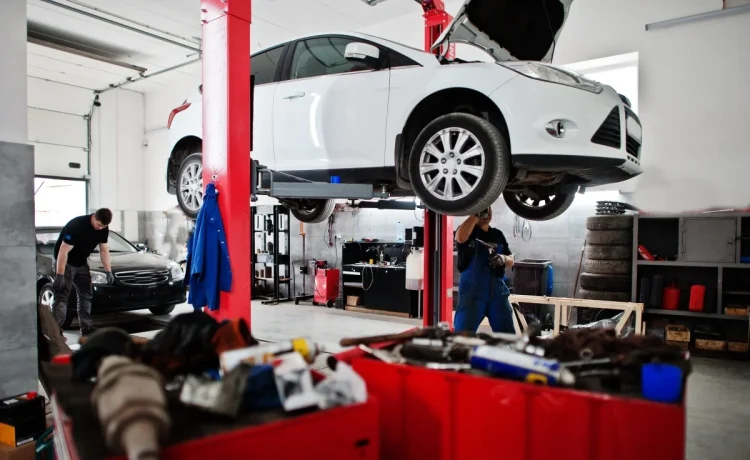
In today’s dynamic automotive landscape, running a successful repair shop means more than just turning a wrench. The anchor text auto repair shop must grapple with evolving technologies, shifting consumer behaviour, and mounting operational pressures. Below we explore in depth the major challenges repair shops will face in 2025, why they matter, and how to view them strategically.
1. Rapid Technology Evolution and Equipment Upgrades
The EV, ADAS and Connected Vehicle Revolution
One of the most pressing issues is adapting to the rise of electric vehicles (EVs), hybrid systems, advanced driver-assistance systems (ADAS) and connected vehicles. By 2025, many independent shops are being pressed to service more EVs, calibrate ADAS modules and interpret telematics data. According to recent industry analysis, EV service “is a different game” requiring investment in high-voltage diagnostics, safety equipment and technician training.
Implications for the Repair Shop
- Significant capital outlay: Specialized tools for battery diagnostics, high-voltage circuit testing, ADAS calibration rigs and scan tools.
- Ongoing training: Technicians must not just repair traditional mechanical failures but also software-driven systems and sensors.
- Workflow disruption: New processes often mean slower throughput, which influences turnaround time and margins.
- Liability and safety concerns: Mishandling high-voltage systems or incorrect ADAS calibration can lead to major liability exposures.
Why This Challenge Looms Large
As the industry article notes, vehicle technology is changing rapidly, and repair shops that fail to keep pace risk obsolescence or being relegated to low-margin work. The gap between the “new normal” of vehicle systems and the capabilities of many shops is widening.
2. Technician Shortage and Talent Retention
The Labour Market Tightrope
A prominent barrier in 2025 is the shortage of skilled technicians. One survey found that nearly 46% of shop owners reported the technician shortage significantly impacting operations. Equally important is that while many recognise the need for career paths, only a small minority have formal programs in place.
Core Issues
- Low inflow of new entrants: Vocational careers in automotive repair are less appealing to younger workers than other tech-oriented trades.
- Rapid skill obsolescence: The rise of EVs and software systems means technicians have to learn constantly or risk being left behind.
- Retention pressure: Shops face turnover because techs can often move to dealerships or other lines of business with better perks.
- Staff-to-bay metrics: Industry benchmarks suggest average staffing of around 0.7 technicians per bay; inadequate coverage means slower throughput and stressed teams.
Why This Matters
Without qualified staff, shops cannot take on complex work, cannot deliver the service level expected of modern vehicle owners, and cannot scale. The technician shortage is no longer a back-burner issue—it’s central to viability.
3. Supply Chain Cost Pressure and Margin Squeeze
Part Pricing, Tariffs and Inventory Risks
The cost environment remains harsh. An industry study highlights the difficulty in sourcing affordable parts as the leading concern for repair shops, with supply chain disruptions and tariffs pushing costs higher. Inflation continues to eat into margins.
Key Drivers
- Parts cost increases: Rising raw material costs, tariffs and shipping delays raise the base cost of components.
- Inventory bottlenecks: Long lead times for parts mean shops may face idle bays or delayed jobs.
- Pricing decision complexity: Balancing customer sensitivity to price with required margin becomes tougher.
- Margin erosion: Inflation may be stabilizing somewhat, but parts cost increases and labour cost pressure continue to compress margins.
Strategic Implications
Shops must revisit parts sourcing strategies, refine markup models, and control ancillary costs (utilities, rent, supplies). The shops that treat parts procurement and cost management as core competencies will fare better than those who treat them as afterthoughts.
4. Changing Consumer Behaviour: Deferred Maintenance and DIY Trends
What the Market is Doing
In 2025, repair shops face evolving consumer behaviours: on one front, many vehicle-owners defer maintenance to save costs; on another, a growing number pursue DIY repairs. Both trends reduce the pool of full‐service repair business. One report noted that nearly half of consumers admitted to driving on tires longer than before in order to stretch out cost.
Implications for Shops
- Fewer jobs per vehicle: If owners delay service, the frequency and spend per visit drop.
- Lower value jobs: DIY or partial jobs reduce average repair order values.
- Increased competition: The DIY channel becomes a threat for basic maintenance work.
- Need to reposition value: Shops must emphasise high-skill, diagnostic-intensive work rather than general maintenance only.
Why It’s A Challenge
Shops accustomed to steady volume must shift mindset to capturing more complex or diagnostic‐heavy work, improving customer education, and delivering higher value per visit. Otherwise, the core business may shrink.
5. Customer Expectations and Digital Engagement
The Digital Convenience Imperative
Modern vehicle owners expect more than just competent repair—they expect a seamless digital experience. Online scheduling, transparent communication, digital estimates, progress updates via text and streamlined payment options are now baseline demands. One industry source states that improved customer experience is the number one factor driving higher repair order value.
Key Features Customers Expect
- Mobile or online appointment booking
- Real-time vehicle status updates via text or app
- Digital vehicle inspection (DVI) tools with photos/videos of the issue
- Digital multi-channel communications (chat, email, SMS)
- Seamless digital checkout including contactless and financing options
Why This Escalates Pressure
Shops that stick to “old-school” communication may lose to competitors who offer higher convenience. Additionally, good digital experiences help build trust — critical when complex repairs cost more and customers are more cautious about approving work.
6. Data Ownership, Vehicle Software and Right-to-Repair Issues
The New Frontier
The rise of connected vehicles means access to vehicle data— fault codes, telematics, over-the-air updates, etc.— is increasingly important. Repair shops face challenges around whether they can access that data, how they protect it, and how they compete when manufacturers or dealerships may lock data or software behind their channels.
Elements to Consider
- Diagnostic access: As vehicles become more software-centric, shops need access to OEM-level codes and updates.
- Right-to-repair constraints: Legal regimes and manufacturer policies may restrict access, limiting what independent shops can do.
- Cybersecurity & data privacy: With connected systems, liabilities for mishandled data increase.
- Business model shift: Shops may need to think about servicing more software-oriented issues, not just mechanical.
Why this Trend is a Big Deal
Repair shops that cannot access or interpret vehicle software/data will be excluded from many higher-margin repair jobs. Being locked out of data means being locked out of the future of repair.
7. Sustainability, Environmental Practices and Brand Responsibility
Driving Green in the Repair Bay
As consumers become more environmentally conscious, and regulatory pressure around emissions and disposal tightens, repair shops must integrate sustainable practices not just from ethics but from business necessity. Industry commentary suggests that sustainability is now a trend shops cannot ignore.
What Sustainability Means in Practice
- Use of eco-friendly fluids, recycling materials, reducing hazardous waste.
- Energy-efficient equipment and lighting, solar panels where feasible.
- Paperless workflows, digital inspections, online estimates.
- Communicating the “green” element to customers—some will choose a shop because of its environmental credentials.
Why It Matters
Such practices help reduce costs (energy, disposal), align with consumer values, and potentially open up new marketing avenues. In a competitive environment, being “modern and green” can become a differentiator.
8. Workflow Efficiency, Throughput and Utilization
The Operational Backbone
It’s not enough to have great tools or digital booking — shops must also optimise workflow: technician utilisation, bay productivity, job scheduling, parts availability, and minimising idle time. Reports note the average number of vehicles serviced per bay per day is around 2.2; falling below that may signal inefficiency.
Elements That Affect Throughput
- Technician idle time or bottlenecks.
- Delayed parts arrivals causing job stand‐bys.
- Miscommunication between advisors and techs, leading to rework.
- Poor scheduling or unpredictable job nature causing bays to sit idle.
- Inadequate monitoring of key metrics like bays per tech, average repair order (ARO), return rate.
Why This Is Critical
Efficient operations allow shops to absorb increased cost pressures and maintain profitability. If volume drops or cost per job rises due to inefficiency, margins will shrink further. A well‐run workflow is the bedrock upon which managing other challenges makes sense.
9. Marketing, Differentiation and Customer Loyalty
Standing Out in a Crowded Market
As repair services become commoditised and DIY options expand, shops must differentiate to attract and retain customers. According to insights cited, clear communication and trust‐building are top drivers of higher ticket values.
Key Marketing / Loyalty Elements
- Transparent pricing and clear explanation of repairs (via digital vehicle inspection, photos).
- Strong online presence: reviews, website, social media.
- Proactive customer engagement: reminders for maintenance, personalised service.
- Building loyalty programs or membership models to foster repeat business.
- Differentiation via specialisations: EV servicing, ADAS calibration, or high‐end diagnostics.
Why It Matters
Commodity services often mean low margins. A shop that can build reputation, trust, and perceived value can charge and maintain higher average repair orders and better retention. Marketing becomes less an add-on and more a core operational pillar.
10. Regulatory, Compliance and Safety Demands
The Rise of New Standards
As vehicles become more complex and regulations tighten around emissions, waste disposal, high voltage systems, and data security, repair shops face increasing compliance burdens. If unattended, these can lead to fines, reputational damage or even shutdowns.
Specific Regulatory Pressures
- Certification/training requirements for servicing EVs or high-voltage systems.
- ADAS calibration standards and liability for improper work.
- Waste disposal laws for fluids, refrigerants, batteries.
- Data protection regulations for connected vehicle diagnostics.
- Occupational health & safety for technicians working with new systems.
Why This Is a Challenge
Smaller independent shops especially may struggle to keep up. Non-compliance may not just erode profit but expose them to legal and reputational risk. Compliance needs to be built into operations rather than treated as an afterthought.
Frequently Asked Questions (FAQ)
Q1. How can a repair shop begin to service EVs without huge upfront expense?
Treat the transition as phased: start by training existing staff in diagnostics and basic EV tech, then invest in essential tools (insulation testers, HV gloves, diagnostic cables). Focus on simpler EV maintenance jobs first (e.g., cabin systems, brakes) before full battery service. Also partner with equipment vendors who offer lease or financing.
Q2. What are realistic targets for technician bay productivity in 2025?
Industry data suggests servicing about 2.2 vehicles per bay per day is average. If you are significantly below that, it may signal sub-optimal workflow or bay under-utilisation. Evaluate staffing ratios (techs per bay), scheduling and job mix to improve throughput.
Q3. How should a shop respond to parts cost increases and supply chain disruptions?
First, review your parts matrix: adjust markup strategies tailored by part category and urgency. Negotiate with multiple suppliers for better terms. Increase transparency with customers explaining cost pressures. Maintain buffer stock for common jobs and monitor lead times to reduce downtime caused by parts delays.
Q4. How can we turn digital customer expectations into business advantage?
Implement digital vehicle inspections (DVIs) with photos/videos to build trust and upsell opportunities. Enable online booking and status updates so customers feel engaged. Offer contactless payment and financing. Use CRM tools to follow up on past work, send service reminders and invite reviews. The convenience factor builds loyalty and drives higher AROs.
Q5. What should be prioritised when marketing a repair shop in 2025?
Highlight specialisations such as EV servicing or ADAS calibration to differentiate. Build a strong online review profile. Focus on customer trust via transparency and communication. Use loyalty programmes or periodic maintenance packages to drive repeat business. Leverage social media and local search optimisation to stay visible.
In summary, the landscape for an auto repair shop in 2025 is both rich in opportunity and fraught with complexity. Adapting to technology shifts, talent supply constraints, cost pressures and evolving consumer expectations will separate the thriving shops from the ones struggling to keep pace. The most successful operators will treat these challenges as strategic imperatives—not just problems to patch.